
Can a neurotransmitter imbalance be causing your mood problems?
This post is general information only. It is not medical advice and is not a diagnosis. Coaching is not therapy and is not a substitute for professional medical or mental health care. Mood problems are complex and can have many contributing factors. If you have persistent mood symptoms, seek professional help, and do not start, stop, or change any medicine or supplement without professional advice.
What are Neurotransmitters
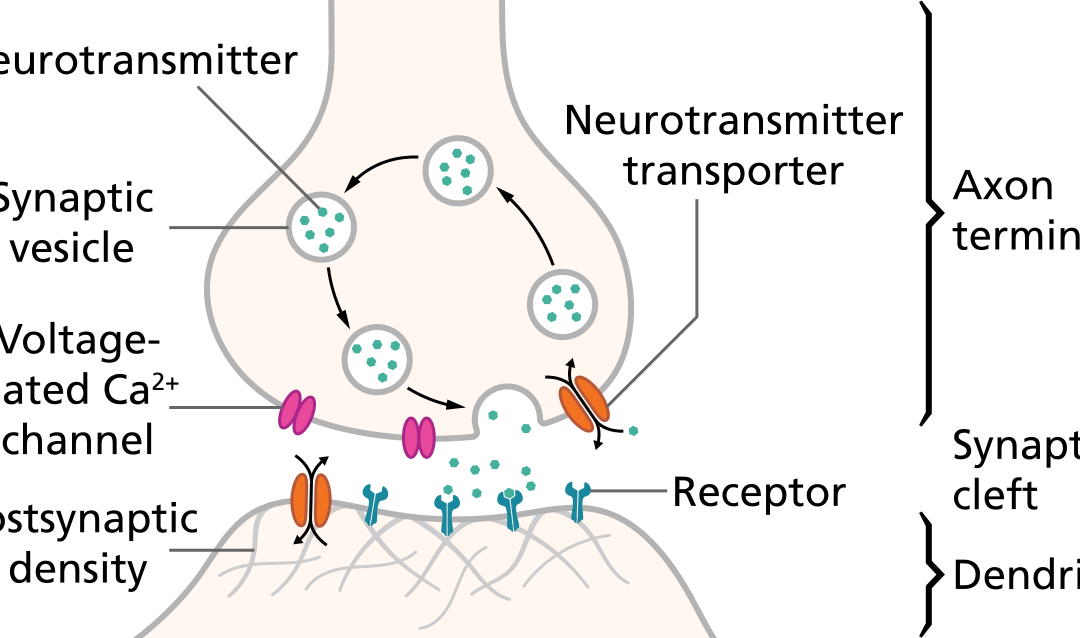
Neurotransmitters are chemicals that help regulate numerous physical and emotional processes such as cognitive and mental performance, emotional states and pain response. Interactions between neurotransmitters, hormones, and other brain chemicals can influence overall health and well-being. When concentration and focus are good, we may feel more directed, motivated, and vibrant. When neurotransmitter signaling is disrupted, people may feel more stressed, sluggish, and out of control, though this is not a complete explanation for any individual’s mood problems.
Disrupted communication between the brain and the body can affect health both physically and mentally. Depression, anxiety and other mood disorders are sometimes discussed in connection with neurotransmitter activity, but they are not shown to be directly caused by a simple neurotransmitter imbalance in any individual case. Some of the more commonly discussed neurotransmitters in relation to mood are Serotonin, Dopamine, and Norepinephrine.
Serotonin is often discussed in relation to mood, happiness, anxiety, and depression. Hormones and estrogen levels can affect serotonin activity, and this may be one factor discussed in relation to some pre-menstrual and menopausal mood changes. Stress may also affect serotonin activity. A list of symptoms alone cannot diagnose a serotonin shortage.
Dopamine and Norepinephrine are associated with motivation, energy, interest, and drive. They are associated with positive experiences such as being in love, exercising, listening to music, and sex. When people feel low in energy or motivation, they may have difficulty initiating or completing tasks, poor concentration, and lack of motivation. Mood, sleep, appetite, and other health conditions involve many factors, and no single neurotransmitter explanation covers them.
What may influence neurotransmitter activity?
- Prolonged periods of stress may affect neurotransmitter levels.
- Diet: Neurotransmitters are made in the body from proteins, and certain vitamins and minerals are involved in their production. Poor nutrition may affect overall health, but diet alone does not diagnose or treat a mood disorder.
- Genetic factors, metabolism, and digestive issues can affect how the body absorbs and uses nutrients.
- Some toxic substances, drug use, and some prescription drugs can affect nerve function. Discuss any medicine concerns with a prescriber.
- Certain substances such as caffeine, alcohol, and nicotine can affect mood and sleep for some people.
- Hormone changes can affect neurotransmitter activity.
About testing and treatment
Some tests are marketed as detecting neurotransmitter imbalances, for example from urine or blood samples. The meaning and accuracy of such tests for diagnosing mood disorders are not established in this post, and test results alone do not determine a treatment plan. A health professional can discuss what testing, if any, is appropriate, and what its limits are.
Treatment for mood problems should be discussed with a qualified health professional. Antidepressants and other medicines work in different ways, and their effects, benefits, and side effects vary from person to person. This post does not recommend nutrient therapies, nutrient formulas, or any specific supplement, and does not claim that any nutrient therapy increases neurotransmitter levels, makes antidepressants work more effectively, or is safe and effective for any individual. Do not combine supplements with prescribed medicines, or change a prescribed medicine, without professional advice.